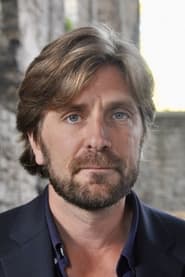
“No, but I can talk about Ingmar Bergman, actually. I can talk about him because I think that what he did when it comes to the Swedish film community was that everybody talks about him like the demon director, as someone that is so in control and knows everything about the films that he is making. And maybe when you went to film school as a film student, you were a little bit afraid of exposing that you sometimes are not 100% sure what you are doing. And when I shot a short film that is called Autobiographical Scene Number 6882, I made an experience that had been extremely important for me as a director. We were shooting this film on a bridge, a high bridge, and there was only three shots, and we had one camera position each day during this shooting of the short film. And on the second day of shooting, I had big plans for the camera position. I have built up a, or me and the crew have built up a big tower, a large tower, high tower on The Bridge, and on the top of the tower there was like a jib arm in the air above the water. We have placed the camera, and it took like half a day of building this construction to have the camera in that position. And immediately when I put in the BNC cable into the monitor and I could see the image, I realized I will never use this shot. And I ended up with a struggle, because should I now tell the film crew that I have made a wrong decision, or should I just like continuing and pretend like this is exactly how I want to do it? Because I could feel that the history of Ingmar Bergman, that you should be a demon director, you should know everything you are doing, was relying on my shoulders, or on my shoulders. And we went to go and eat lunch, and during that lunch I had this inner conflict: "Yeah, maybe I should tell the crew everything is right and we just continuing the shooting, and then I call them back three weeks later and say we have to reshoot it." But after lunch I actually gathered all the people in the crew and I said, "Okay, I'm sorry, I made a mistake. I made a wrong decision. We have to take down the tower, and I have to find the camera position myself." So everybody was like, at that moment I thought that, okay, there will be a mutiny, people will not trust me anymore. But instead there was a very experienced sound designer that came up to me and he said, "Okay, now I really, really trust you." Because I think that's what filmmaking is about. When you are a director and you are on set, you have a lot of pressure on yourself, and if you are leaving your own instrument, if you're looking at something in the image and it's something that is not exactly how you want it, then you have to be very, very sensitive to your instrument, and you have to follow that instrument. And as soon as you are leaving your own instrument and you are just doing things to avoid struggle during the shooting, then you're also leaving the reason why you are a director.”